Tokenization: Ownership Upgraded
Put the record of who owns what on modern digital rails, and software can handle more of the paperwork. Here is what that changes, and what it does not.
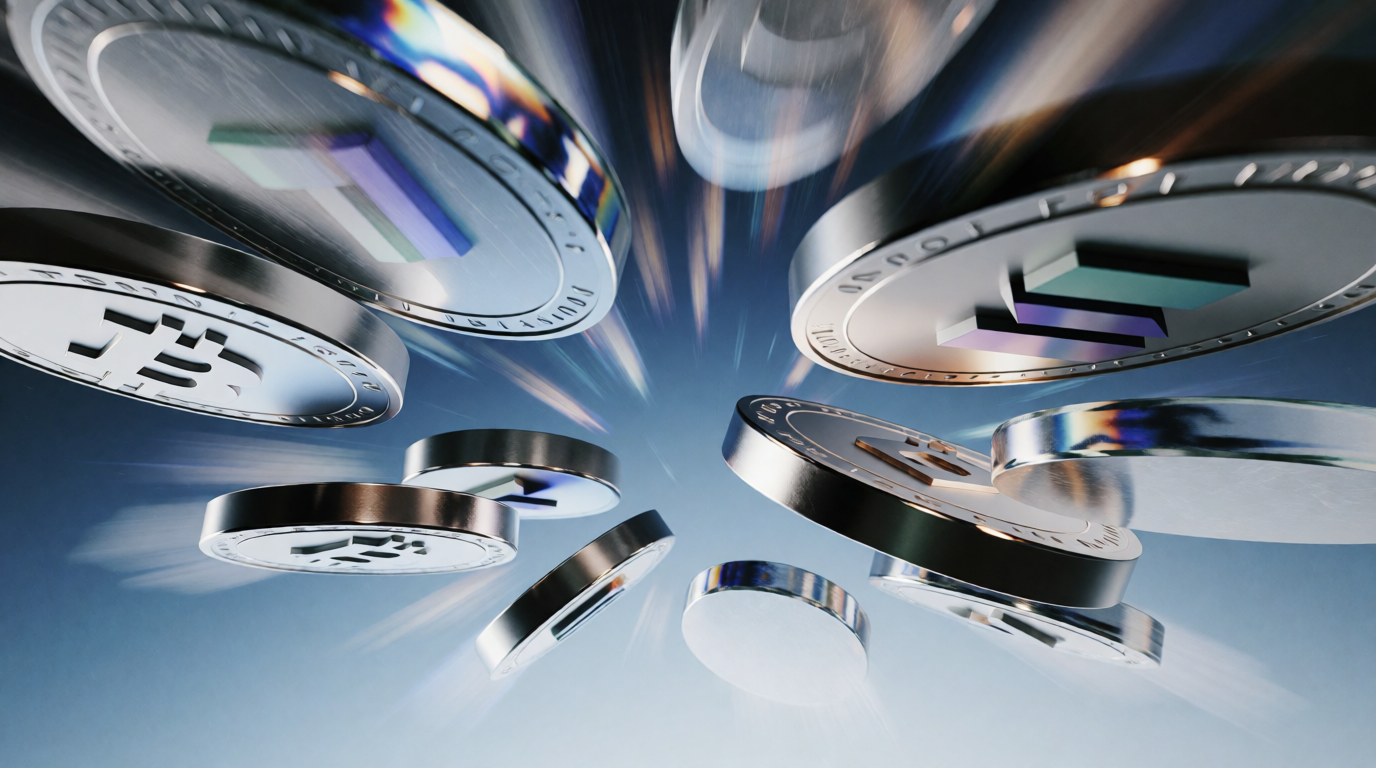
The word tokenization sounds technical. The idea is simple: take the record of who owns something, put it on modern digital rails, and let software do more of the paperwork.
A token is a digital receipt that can carry rules. The question worth asking is not whether the receipt is shiny. It is whether the legal claim, the asset, the custodian and the redemption process behind it are real.
Nine advantages people can actually feel
Faster settlement
Buying and paying can happen together, so less time is spent waiting for money and ownership records to catch up with each other.
Smaller pieces
An asset can be divided into practical units. Think slices of a fund or bond, not necessarily an entire minimum-sized position.
Longer hours
Transfers and settlement can run nights, weekends and holidays, subject to the product's rules and available liquidity.
Clearer history
A shared ledger can make ownership movements easier to reconcile and audit than a chain of disconnected databases.
Rules that travel
Eligibility, transfer limits, reporting fields or payment logic can be attached to the asset instead of re-entered by every intermediary.
Better collateral mobility
Eligible assets can move to where they are needed, reducing the pile of just-in-case collateral trapped in silos.
Global distribution
The same digital object can be available through multiple compliant interfaces without rebuilding the asset record each time.
Lego-like finance
A tokenized Treasury or fund can become collateral, a payment source or part of an automated portfolio, when the legal and technical rules allow it.
Programmability
Assets are issued on platforms open to further development. Integration into digital workflows opens the door to exciting innovation possibilities.
A tokenized Treasury fund can be purchased, transferred to an approved wallet, used as eligible collateral and redeemed, while software carries the ownership record and product rules through each step.
The honest part: tokens are not fairy dust
A bad asset stays bad
Tokenizing weak credit, a dubious property or an unfair contract does not improve the underlying economics.
Liquidity does not appear by magic
Around-the-clock transferability is not the same as a deep market with tight prices and reliable redemptions.
The legal wrapper matters
Who owns the off-chain asset? What happens in bankruptcy? Who can redeem? Code cannot answer a missing legal claim.
Custody still matters
Someone must protect keys, records and the real asset. Tokenization changes the plumbing; it does not eliminate responsibility.
Why now
Tokenization is no longer confined to one asset. Tokenized U.S. Treasuries have grown beyond $15 billion, tokenized private credit is now a comparable pillar, and tokenized stocks have pushed past $1 billion — led by platforms like Ondo and xStocks. Core market-infrastructure firms are openly developing tokenized collateral and settlement systems. The curve is still early, but it is no longer theoretical.
Point-in-time estimates from RWA.xyz and market sources, July 2026. Figures are methodology-dependent and change materially.
What changes for real people
For an investor
Smaller minimums, clearer records and assets that can move between compliant services more easily.
For a company
Faster settlement, more flexible collateral and a treasury that can operate beyond banking hours.
For markets
More assets and asset classes, more global access, and more potential liquidity
The internet did not make every newspaper article good. It made publishing and distribution far easier. Tokenization can do something similar for ownership and settlement.
For clients, the hard part is rarely whether an asset can be tokenized. It is deciding whether the claim is sound, the issuer and custodian are credible, liquidity is sufficient and the portfolio role makes sense. Abra can bring those questions into a regulated advisory and managed-account framework.
Disclaimer. Educational material only. Not investment, legal or tax advice. Digital assets involve substantial risk, including possible loss. Registration as an investment adviser does not imply SEC endorsement or approval.




Stay ahead of on-chain markets
Get Abra Digital Asset Insights in your inbox — or talk to our team about your portfolio.